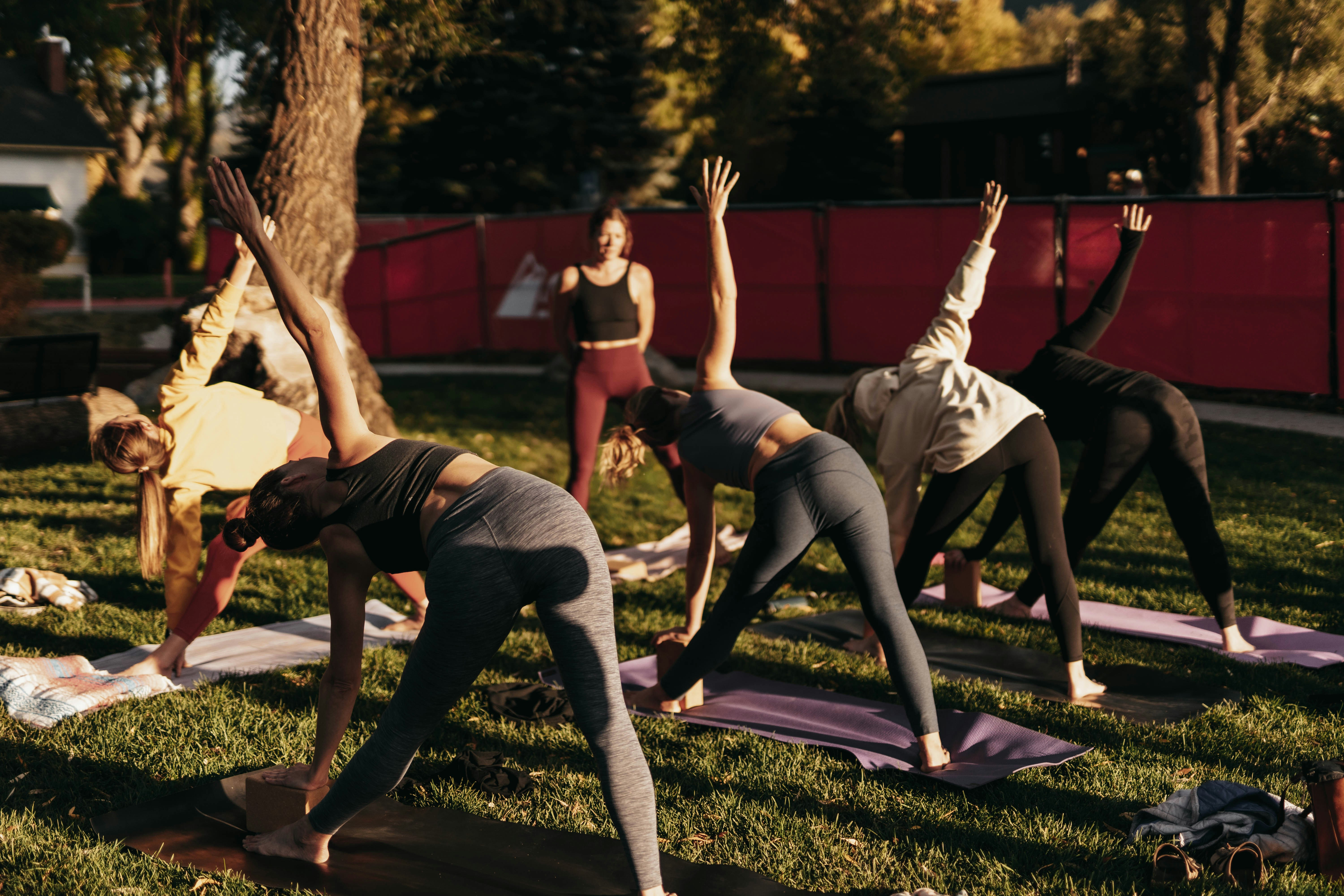
When people hear “athlete training,” they picture elite competitors. But the reality is this: athletic training principles are how humans are meant to train. Speed, power, coordination, and strength aren’t sport-exclusive—they’re life skills.
Athletic training isn’t random intensity or flashy workouts. It’s structured development of:
• Strength
• Power
• Balance
• Coordination
• Deceleration
• Conditioning
These qualities allow the body to produce and absorb force efficiently, reducing injury risk and improving performance [1].
Power (force × speed) declines faster than strength alone. This decline is directly linked to fall risk, injury, and loss of independence [2]. Training power doesn’t mean reckless jumping—it means controlled, intentional explosiveness.
• Medicine ball throws
• Low-level plyometrics
• Fast concentric lifts with light loads
Athletes train to decelerate, cut, and stabilize. These same skills protect knees, hips, and backs in everyday movement [3].
• Split squats
• Lateral lunges
• Single-leg hinges
• Carries
Athletic training is scalable. You don’t remove athletic principles as people age—you adjust intensity and volume.
Final Takeaway: Athletic training isn’t extreme. It’s intelligent. Train like an athlete so you can live like one.