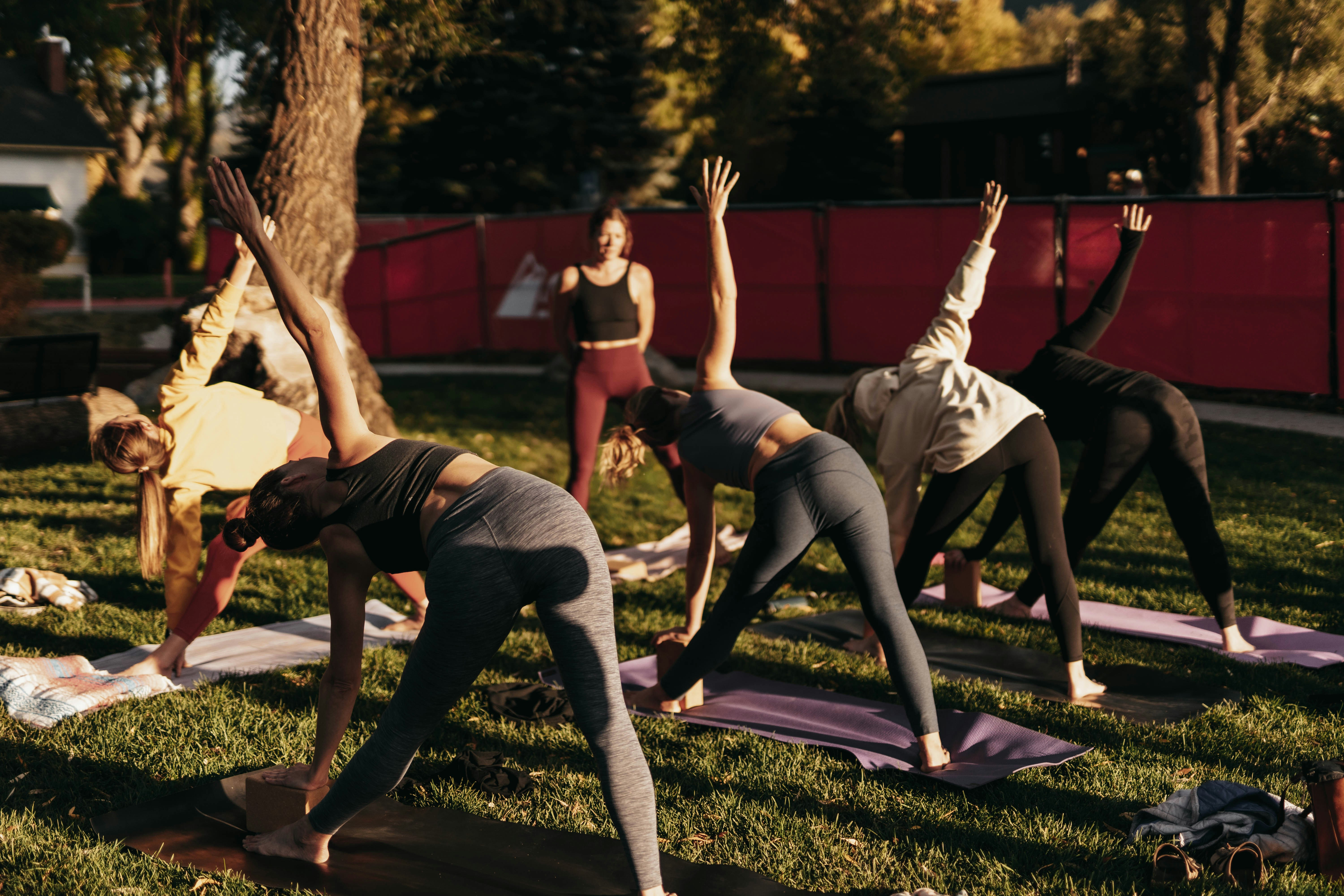
Pregnancy is often treated as a time to slow down, but evidence suggests it’s a time to adapt, not stop. Resistance training during pregnancy has been shown to improve physical function, reduce pain, support mental health, and enhance quality of life when performed safely and progressively [1].
Inspired by the philosophy popularized by coaches like Brianna Battles, this approach rejects the idea that pregnant bodies are fragile. Instead, it emphasizes intelligent load management, movement competency, and resilience throughout all trimesters.
Maintaining muscle mass supports posture, balance, and daily movement demands that increase as pregnancy progresses [1].
Strengthening the glutes, core, and posterior chain can reduce common pregnancy-related low-back and pelvic discomfort [1].
Exercise modulates stress hormones and improves mood and sleep quality, helping offset fatigue and anxiety during pregnancy [1].
Strength training builds the physical capacity needed for labor demands and accelerates postpartum recovery.
Key Takeaway: pregnancy is not a contraindication to strength; it’s a reason to train with intention. When guided by science and sound coaching, strength training can empower pregnant individuals to feel capable, confident, and prepared for what comes next [1].