Most lifters and athletes hit a point where adding more sets, more reps, or more weight stops working. That’s not a lack of effort; it’s a lack of variety. The body thrives on adaptation, but only when given something new to adapt to. Movement variety is often the missing link between grinding through plateaus and breaking through them.
Progressive overload is the foundation of strength, but many take it too literally. Simply increasing volume (more total work) doesn’t guarantee new results. Without new movement patterns, the nervous system and soft tissue adapt completely, and growth stalls [1].
When performance stalls, don’t just add more sets. Swap or rotate movement patterns every 4–6 weeks — e.g., replace barbell back squats with front squats, or standard deadlifts with trap bar pulls. Slight mechanical changes reignite progress without destroying recovery.
Your body is designed to move in multiple planes; forward, backward, sideways, and rotationally. Yet most gym programs focus on a narrow slice of that potential. By changing modalities (sleds, medicine balls, bodyweight circuits, unilateral work), you create new neuromuscular demands that build resilience and coordination [2].
Incorporate 1 - 2 “novel” movements each week. Examples:
These tweaks challenge stabilizers, coordination, and energy systems differently — and spark fresh adaptation.
.jpg)
Athletes rarely train for one motion; they train to control chaos. Movement diversity builds joint integrity, improves range of motion, and helps prevent overuse injuries [3]. For general population clients, “training like an athlete” simply means exposing the body to safe, varied challenges that improve total function.
Rotate between training “themes” every 4–6 weeks:
Changing modes doesn’t mean losing gains. Cross-education — where training one side or skill transfers to another — helps preserve performance across exercises [4]. That’s why alternating tools (barbell → dumbbell → bodyweight) still keeps your central nervous system primed for strength.
If you’re recovering from fatigue or injury, switch to single-limb or machine variations that maintain skill patterns without overtaxing recovery. You’ll keep neural efficiency and coordination high while your body heals.
Beyond physiology, novelty keeps training enjoyable. Psychological burnout often shows up as physical stagnation. Mixing up movements, implements, or training settings can re-ignite focus and consistency — the true drivers of long-term progress [5].
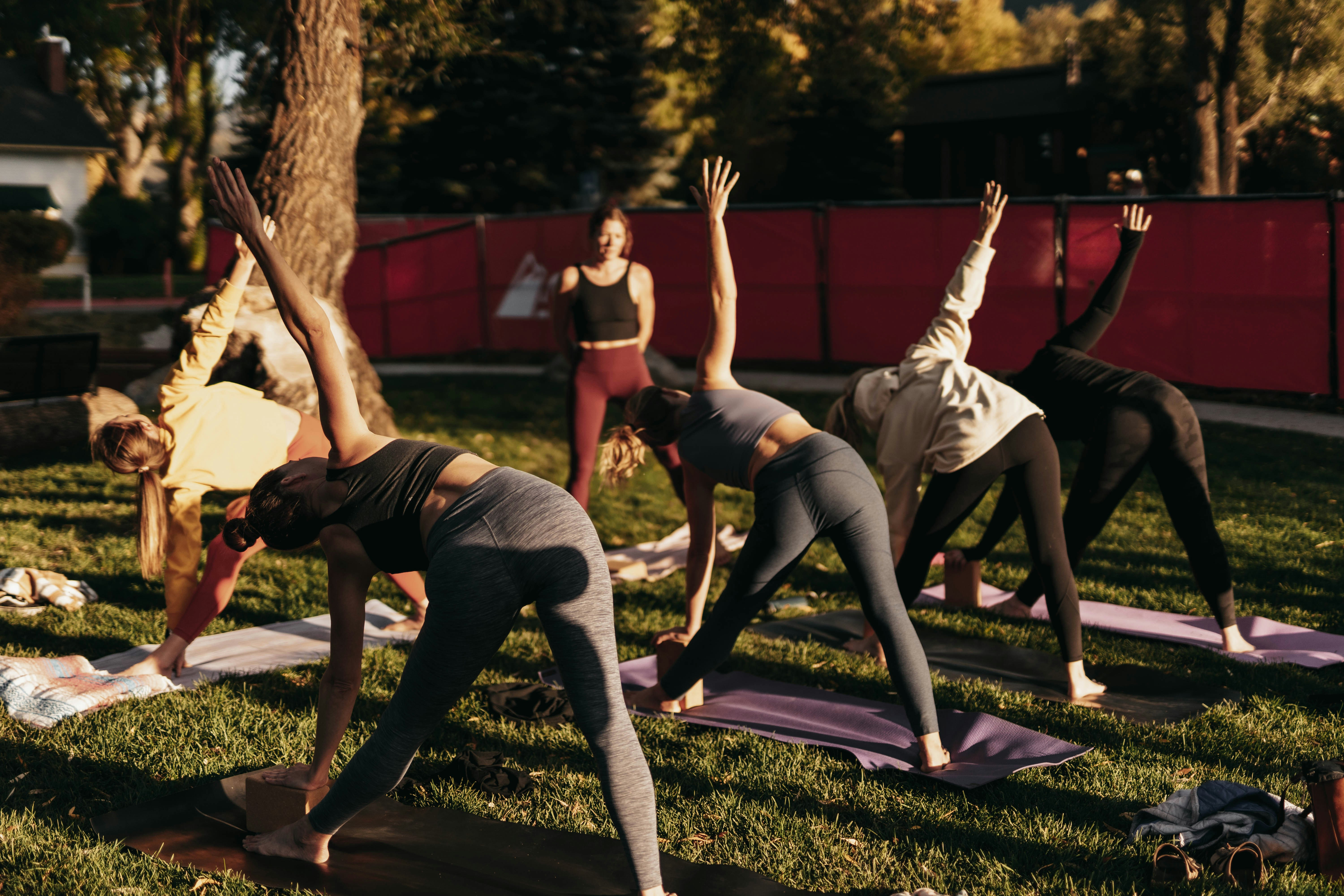
Use variety as a “psychological deload.” Try an outdoor circuit, beach session, or nontraditional tool like battle ropes, sandbags, or kettlebells. Challenge the body and refresh the mind.
Final Takeaway: more volume doesn’t always mean more progress. Strategic variety -in movement, tempo, and mode - is what drives long-term growth, keeps joints healthy, and keeps training engaging. Adaptation happens when your body can’t predict what’s next.