“Functional fitness” gets thrown around a lot - usually paired with medicine balls, kettlebells, and balance boards. But true functional fitness isn’t about fancy tools or trendy movements. It’s about training the body to move, perform, and adapt the way life (and sport) demands. Whether you’re an athlete, a parent, or someone just trying to stay strong, every workout style can have a purpose. The key is understanding what’s functional for you.
At its core, functional fitness trains movement patterns, not just muscles. Instead of isolating one area (like biceps curls), you’re training systems that work together; hips, core, shoulders, and coordination.
Movements like squats, hinges, lunges, pushes, pulls, and rotations mimic the way we naturally move in daily life and athletics [1]. Functional training improves stability, balance, strength, and mobility, helping you move better, not just look better [2]. Research shows that multi-joint, compound exercises improve not only strength but also reaction time, balance, and injury resistance [3]. Functional fitness isn’t a single program, it’s a philosophy: train with intention, train to move, train to live better.
Here’s the truth: no workout style is inherently bad. What matters most is why you’re doing it and how it fits into your goals. Even something as simple as walking, swimming, or hiking has functional value. Each method supports a different part of the performance spectrum, and the best programs blend multiple approaches over time [4].
Builds muscle and joint integrity - perfect for those needing structure or muscle symmetry.
Develops conditioning and power for people who thrive on intensity and community.
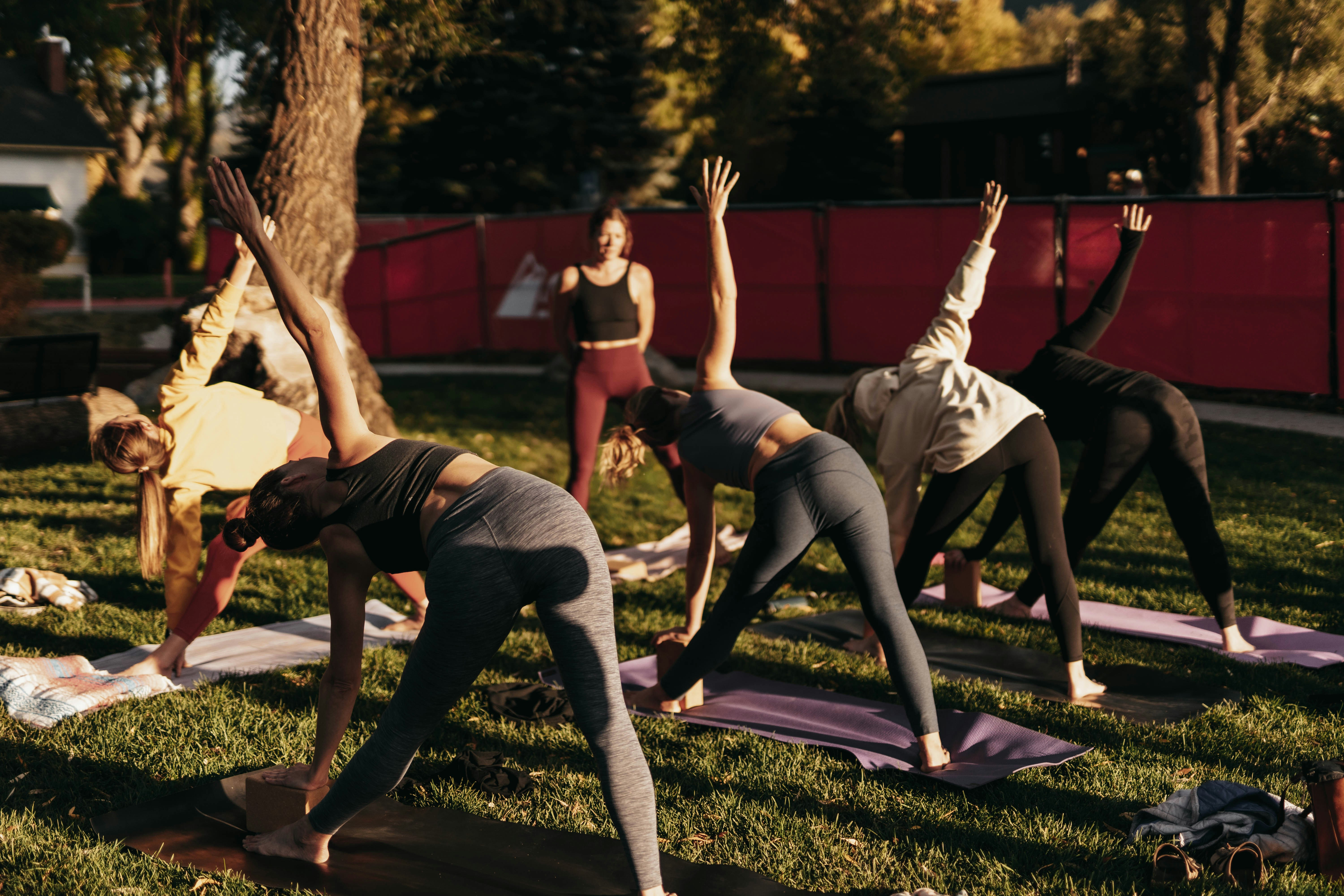
Enhance mobility, stability, and body awareness; key for longevity and recovery.
Develops the foundation for nearly every athletic movement.

Athletic-based training isn’t just for competitive athletes, it’s one of the most well-rounded approaches to functional fitness. Studies show athletic-based functional training improves mobility, balance, and cardiovascular endurance across all age groups [5,6] Even in older adults and general population clients. It’s not about being “sporty”; it’s about staying capable.
Training build reactive strength - the ability to move efficiently under force.
Enhance the nervous system and body control.
Single-leg or single-arm movements improve real-world strength balance and core function.
Teach your body to adapt and perform under varied stress.
Your “functional” might not look like someone else’s. Functional training meets you where you are and builds the strength to handle what life throws at you; not just inside the gym, but outside it too.
For an athlete: It might mean more power, agility, or explosiveness.
For a parent: being able to lift, chase, and play without pain.
For a retiree: maintaining balance, mobility, and confidence.

“Functional training is only for athletes.” False; it’s for anyone who moves.
“Machines aren’t functional.” Not true; they can help isolate and strengthen weak points safely.
“Functional workouts must be unstable or fancy.” Not at all. The most functional moves are often the most basic: squats, hinges, pushes, pulls, carries.
“Cardio isn’t functional.” It is; your heart and lungs are part of your movement system too.
1. Train movements, not just muscles. Include squats, hinges, lunges, pushes, and pulls.
2. Work in multiple planes. Rotate, move laterally, and challenge balance.
3. Blend strength and conditioning. Real-world performance demands both.
4. Prioritize mobility and recovery. Function means being able to move well, not just move often.
5. Stay adaptable. Change your program as your life or goals evolve.
Bottom line: Functional fitness isn’t a workout style; it’s a mindset. It’s about becoming capable, strong, and adaptable in every direction life takes you. Whether you lift heavy, do yoga, sprint, or swim — every form of movement has its place when it’s done with purpose. The best approach? Train like an athlete, think like a mover, and remember that function is always personal. [1–6]